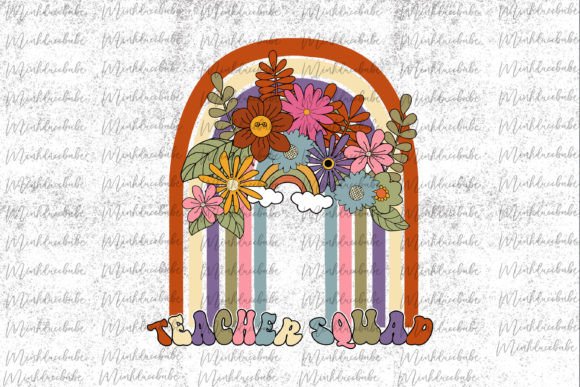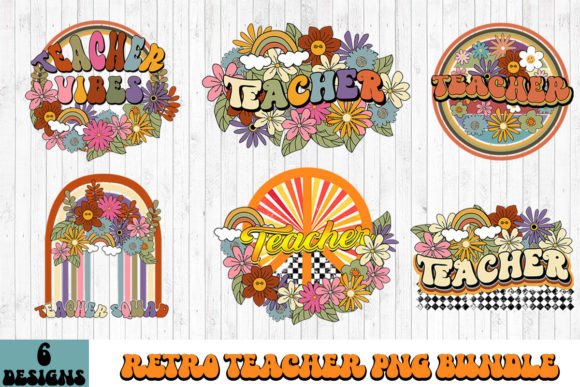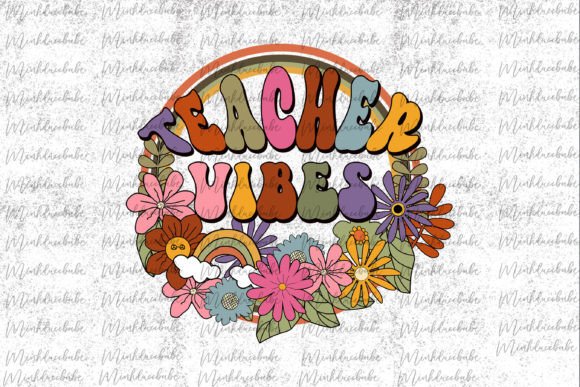
Retro Teacher Vibes PNG
If you’ve ever scrolled through design marketplaces searching for that perfect nostalgic classroom aesthetic—think chalkboard textures, vintage apple motifs, mid-century typography, and warm sepia tones—you’ve likely landed on Retro Teacher Vibes PNG. This isn’t just another clipart download. It’s a carefully crafted, high-resolution digital asset designed for educators, crafters, small business owners, and creative professionals who want authentic retro charm without the clutter of outdated or low-quality graphics.
What Makes Retro Teacher Vibes PNG Stand Out?
Unlike generic “teacher” graphics that lean into cartoonish or overly modern styles, Retro Teacher Vibes PNG delivers intentional nostalgia. The transparent background means it layers cleanly over shirts, mugs, tote bags, pillow covers, or framed wall art—no white boxes or jagged edges. At 300 DPI, it holds crisp detail whether printed on a home inkjet or scaled for large-format sublimation. And because it’s built for real-world use—not just screen display—it supports common production methods: heat transfer vinyl (with proper raster prep), waterslide decals, direct-to-garment printing, and even embroidery digitizing (when traced by a professional).
A Common Misstep: Assuming “Retro” Means “Ready-to-Use”
Many buyers assume a retro-themed PNG is plug-and-play across all platforms and printers. That’s where things go sideways. For example, one educator ordered Retro Teacher Vibes PNG to print on cotton tees using a local print shop—only to find the muted mustard and olive tones shifted to dull brown on fabric. Why? Because RGB screen colors don’t always translate directly to CMYK textile inks, and monitor calibration varies widely. Another small business owner tried applying it to a ceramic mug via sublimation but skipped color profile conversion—and ended up with faded lettering and washed-out contrast.
These aren’t flaws in the file. They’re gaps between expectation and execution. The Retro Teacher Vibes PNG is optimized for flexibility—not universal auto-correction. That’s why checking your output method first matters more than scrolling for “vintage” in the title.
What to Verify Before You Download or Print
- Transparency works—but test it. Open the PNG in Photoshop, GIMP, or Canva and place it over a dark or patterned background. If edges look frayed or semi-transparent halos appear, your editing software may need layer blending adjustments—not the file itself.
- 300 DPI ≠ automatic print readiness. DPI only matters at your intended physical size. A 2000×2000 px image at 300 DPI prints sharply at ~6.7×6.7 inches—but if you stretch it to fill an 18×24" poster, resolution degrades. Resize thoughtfully; don’t just scale up blindly.
- No cutting files included? That’s intentional. If you plan to cut vinyl or use a Cricut/Silhouette, you’ll need to trace the PNG manually or convert it using vector software. Don’t expect SVG or DXF unless stated—this is a raster-only product, and that’s ideal for photorealistic texture or soft gradients (which vectors can’t replicate well).
- Color variance is normal—not a defect. Your laptop screen, phone OLED, and commercial printer interpret RGB values differently. Always soft-proof in your print service’s recommended color space (e.g., sRGB for most online printers) and request a physical proof if ordering bulk items.
Realistic Use Cases—And What to Skip
✅ Great fits: Printing on light-colored apparel (especially heather grey or cream), sublimating onto polyester mugs or notebooks, adding to teacher appreciation gift bundles, or layering behind handwritten quotes in Canva for social media posts.
❌ Not ideal for: Large-scale outdoor banners (where vector scalability matters more), embroidery without professional digitizing, or resale as a standalone digital file—per the Terms of Use, redistribution or reselling the PNG itself isn’t permitted. You *can*, however, sell physical products you make with it (like a shirt you designed and printed), which is standard for POD and craft businesses.
Why Beginners Often Overlook File Context
New designers sometimes treat every PNG like a universal tool—similar to how someone might grab any wrench from a toolbox without checking the size. But Retro Teacher Vibes PNG was built for specific workflows: sublimation-ready contrast, balanced saturation for fabric absorption, and clean anti-aliased edges for sharp reproduction. Using it for laser engraving on wood? You’d need to adjust contrast and threshold manually. Trying to animate it frame-by-frame in After Effects? It’ll work—but you’ll want to pre-compose layers to preserve transparency integrity.
The fix isn’t technical wizardry. It’s pausing before downloading to ask: What am I making? Where will it live? What’s my next step after import? That 10-second check saves hours of troubleshooting later.
Better Choices Start With Clarity
Instead of comparing “Retro Teacher Vibes PNG” to unrelated designs (e.g., a watercolor quote overlay or a cartoon badge), compare it to other *retro-education* assets with similar specs: transparent background, 300 DPI, no vectors included, commercial-use license. Look at preview thumbnails *on actual mockups*—not just isolated on white—not to judge style, but to assess edge fidelity and tonal balance.
If you’re sourcing for a school fundraiser, test-print one design on your target material first. If you’re building a Shopify store, batch-upload samples to your theme editor to see how it renders on mobile versus desktop. These small validations turn assumptions into reliable outcomes.
Final Thought: Nostalgia Works Best When It’s Intentional
Retro isn’t just about aesthetics—it’s about resonance. A well-chosen Retro Teacher Vibes PNG connects with memories of hand-drawn bulletin boards, laminated name tags, and analog warmth in a digital world. But that connection only lands when the file is used with awareness—not just enthusiasm. So download mindfully, test practically, and create generously. Your audience will feel the difference.