Retro Teacher Sublimation: A Practical Guide for Educators and Crafters
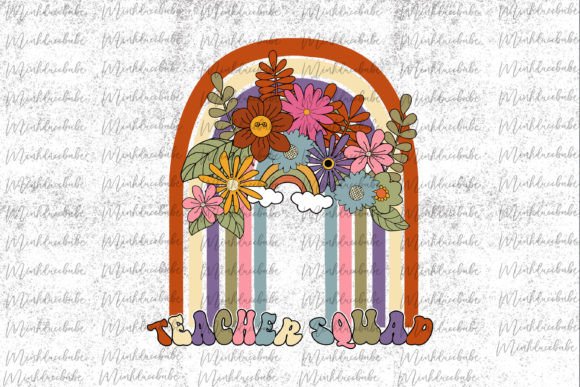
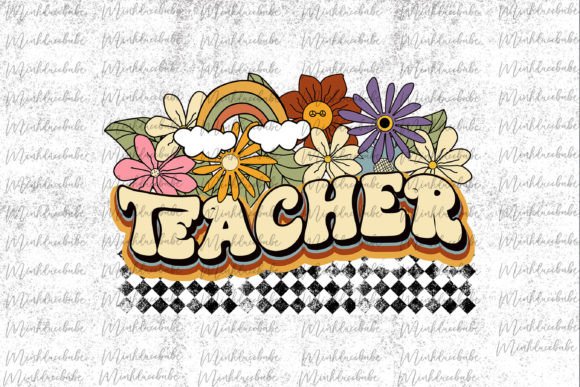
Retro Teacher Sublimation refers to a digitally designed graphic element—typically featuring nostalgic typography, vintage classroom motifs, mid-century color palettes, or playful educational icons—that’s optimized for heat-transfer applications like sublimation printing. Unlike generic clipart or modern vector bundles, Retro Teacher Sublimation is purpose-built: it arrives as a single high-resolution PNG file with a transparent background, 300 DPI resolution, and compatibility across multiple print methods—including sublimation, waterslide decals, and standard inkjet or laser printing.
What sets it apart isn’t just aesthetics—it’s functional intent. The design isn’t meant to be framed and hung as-is, nor sold as a standalone digital file. Instead, it’s engineered for physical application: pressing onto polyester-blend t-shirts, ceramic mugs, tote bags, throw pillows, or aluminum wall art panels. Its transparency allows seamless integration over colored or textured substrates, while its resolution ensures crisp detail even on larger items like 16×20” prints.
How Retro Teacher Sublimation Fits Into Broader Creative Workflows
For educators, school staff, PTA organizers, or small-batch crafters, Retro Teacher Sublimation sits between two common categories: ready-to-print digital assets and custom design services. It’s more accessible than commissioning original artwork (which can cost $150–$400+ and take days), yet more intentional than free stock graphics—which often lack print readiness, have opaque backgrounds, or carry restrictive licenses.
Compared to editable vector files (like SVG or AI formats), Retro Teacher Sublimation offers immediacy but less flexibility. You won’t be able to recolor individual elements or scale infinitely without potential pixelation—though at 300 DPI and typical use sizes (e.g., 8–12” wide on a mug), this limitation rarely impacts real-world output. In contrast, vector-based teacher-themed designs support infinite scalability and layer-level editing—but require software like Adobe Illustrator or Inkscape, and often assume familiarity with path manipulation and color separation.
It also differs from pre-made physical merchandise. Buying a retro-themed teacher mug off a marketplace means no customization, fixed sizing, and limited personalization. With Retro Teacher Sublimation, you control the substrate, size, placement, and pairing—e.g., combining it with a soft heather-gray shirt for subtle charm or a glossy white ceramic mug for bold contrast.
Strengths and Real-World Use Cases
The primary strength of Retro Teacher Sublimation lies in its balance of quality, simplicity, and purpose. Because it’s delivered as a single PNG with transparency, users skip troubleshooting background removal, resolution upscaling, or format conversion—common pain points when adapting free downloads or screenshots for heat press work.
Practical examples include:
- Classroom appreciation gifts: Pressing the design onto cotton-polyester blend tees for end-of-year staff gifts—especially effective when paired with coordinating colors (think mustard yellow text on navy fabric).
- School spirit merchandise: Applying it to ceramic mugs for teacher lounges or fundraising events, where durability and dishwasher safety matter more than fine-detail gradients.
- Home décor accents: Printing onto polyester pillow covers or aluminum panels for a curated “vintage educator” aesthetic in home offices or reading nooks.
- Small business inventory: Crafters using sublimation printers can produce low-volume batches without minimum order requirements or upfront inventory costs.
Its 300 DPI resolution supports most consumer and prosumer sublimation setups—from Cricut EasyPress 3 to Sawgrass SG1000—without requiring advanced RIP software or color calibration expertise. And because it lacks cutting files (like SVG die-lines), it avoids complications for users who don’t own or operate cutting machines—a benefit for those focused purely on heat-transfer workflows.
Tradeoffs and Important Considerations
No digital asset is universally optimal—and Retro Teacher Sublimation has clear boundaries. First, it’s not editable beyond basic resizing, cropping, or layering in photo-editing tools. If you need to change font weight, adjust spacing, or isolate a chalkboard icon from its text, you’ll need raster-editing skills (e.g., Photoshop or GIMP) and time—not just drag-and-drop ease.
Second, color fidelity isn’t guaranteed across devices or printers. A warm olive tone that looks rich on your calibrated monitor may shift toward sage or khaki on an uncalibrated sublimation printer—especially with older ink sets or varying paper types. This doesn’t reflect poor quality; it reflects how color management works across hardware ecosystems. Users planning bulk orders benefit from test prints on actual substrates before committing to full production runs.
Third, licensing restricts redistribution. You may apply the design to physical goods for sale (e.g., mugs at a school fair), but reselling the PNG itself—as a digital download on Etsy or Gumroad—is prohibited. That’s consistent with industry-standard commercial licenses for printable assets, but worth confirming if your use case involves digital product creation.
When Retro Teacher Sublimation Is the Right Choice
This option fits best when you prioritize speed, reliability, and tactile output over granular creative control. It’s ideal for:
- Educators or volunteers producing one-off or small-batch items without design software or technical bandwidth.
- Crafters already equipped with a sublimation system (printer, heat press, blanks) seeking plug-and-play graphics that align with a nostalgic, approachable visual language.
- Those valuing consistency—knowing every printed item will render the same core composition, rather than adapting variable elements across platforms.
It also suits users who prefer defined scope: no hidden fees, no subscription model, no learning curve tied to complex file types. What you see in the preview is structurally what you get—just without physical delivery, frames, or props (as noted in the listing).
When You Might Choose Something Else
If your project demands layered customization—such as swapping out icons, adjusting typography independently, or generating multi-color separations for screen printing—then editable vector files or custom illustration may serve better. Similarly, if you’re building a long-term brand identity (e.g., a recurring “Teacher Appreciation Week” campaign with evolving messaging), investing in a scalable, branded design system—rather than a single static image—offers greater longevity.
And if your workflow relies heavily on cut vinyl, heat-transfer vinyl (HTV), or embroidery, Retro Teacher Sublimation won’t integrate directly. Those methods require vector outlines, stitch files, or contour cuts—not transparent raster images. In those cases, sourcing SVG-compatible versions—or working with a designer who delivers multi-format packages—becomes necessary.
Making an Informed Decision
Choosing Retro Teacher Sublimation isn’t about finding the “best” design—it’s about matching capabilities, constraints, and goals. Ask yourself:
- Do I have access to sublimation equipment—or am I outsourcing printing?
- How many variations do I need? One cohesive look, or multiple iterations per recipient?
- Is predictability more valuable than flexibility in this project?
- Do I understand how color shifts may occur between screen and final product?
There’s no universal answer—but understanding these variables helps avoid mismatched expectations. For many educators and makers, Retro Teacher Sublimation delivers exactly what its description promises: a clean, high-fidelity, ready-to-apply graphic rooted in nostalgic warmth—without overcomplication.